
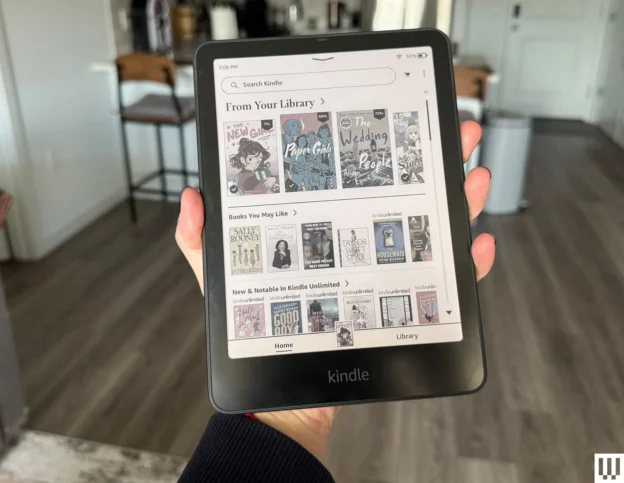
In an era of infinite distraction, the dedicated e-reader stands as a beautiful anomaly. Devices like the Amazon Kindle, Kobo, and PocketBook do one thing: display books for reading. They have no notifications, no social media, no infinite scroll, no video. Their singular focus on the written word makes them not just gadgets but sanctuaries—protected spaces for sustained attention in a fragmented world.
The E-Reader: A Sanctuary for Deep Reading


The magic of the e-reader lies in its screen technology. E Ink, or electronic paper, uses microcapsules filled with charged pigment particles that rearrange to form text and images. Unlike backlit LCD or OLED screens, E Ink reflects ambient light exactly like paper. There is no glare in sunlight, no blue light disrupting sleep, no eye-straining flicker. Reading on E Ink feels like reading on paper because optically, it is.
Battery life is measured in weeks, not hours. E Ink only consumes power when the page refreshes; a static page draws nothing. This liberates the e-reader from the charging anxiety that plagues every other device. It can sit in a bag for months and still have power when you reach for it. It is always ready, always waiting.
The absence of distraction is the e-reader’s killer feature. There are no notifications popping up, no irresistible tabs to open, no algorithmically selected videos to watch. The device does one thing and does it without interruption. For anyone seeking to cultivate deep reading in an age of shallow scrolling, this is invaluable.
The library is another transformative feature. A single e-reader can hold thousands of books. Travelers can carry entire libraries. Students can access all their texts in one lightweight device. The physical constraints of bookshelves and baggage simply disappear. Every book you own is always with you.
Typography and formatting are customizable. Font size, typeface, line spacing, and margins can be adjusted to individual preference and visual needs. For readers with visual impairments or dyslexia, this accessibility is life-changing. The text adapts to the reader rather than the reverse.
Built-in lighting has evolved from a novelty to an essential. Front-lit displays (not backlit) illuminate the screen evenly for reading in darkness without the eye strain of a phone. Warm light options reduce blue light exposure for better sleep when reading before bed. The e-reader becomes usable in any lighting condition.
Dictionary and lookup features transform reading into learning. A press-and-hold on any word reveals its definition. Translations, Wikipedia entries, and X-Ray character summaries are instantly available. The friction of encountering unknown words disappears, encouraging readers to expand vocabulary and understanding.
Whispersync and similar technologies synchronize reading position across devices. Start reading on your Kindle, continue on your phone during a commute, and finish on your iPad. The book is always at the exact spot you left it, regardless of which device you’re using.
The ecosystem lock-in is the primary drawback. Books purchased from Amazon are tied to Amazon’s platform. You cannot easily move your Kindle library to another device or share it with someone else. This captivity is by design and represents a genuine limitation for consumers who value openness.
Physical book lovers rightly note what’s lost: the tactile pleasure of paper, the satisfaction of seeing progress through a physical object, the aesthetic of bookshelves, the ability to easily lend and borrow. The e-reader is not a replacement for all reading experiences but an addition to them.
The e-reader’s future includes color E Ink, now maturing but still slower and less vibrant than expected. Note-taking capabilities on devices like the Kindle Scribe expand functionality for students and professionals. Better integration with library lending systems makes free reading more accessible.
In a world designed to capture and monetize attention, the e-reader refuses to play. It offers no engagement metrics, no personalized ads (in the ad-free versions), no infinite feed. It simply presents books and gets out of the way. For anyone who values deep reading, that is more than enough.