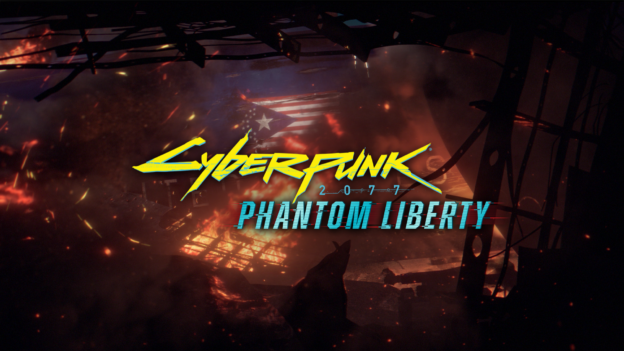
Phantom Liberty menghadirkan cerita spionase yang intens dengan latar belakang distrik Dogtown, wilayah terisolasi di Night City yang dikuasai oleh militer. Pemain kembali berperan sebagai V, kali ini terlibat dalam misi penyelamatan Presiden New United States of America yang pesawatnya jatuh di wilayah berbahaya. Kehadiran Solomon Reed, agen FIA yang diperankan oleh Idris Elba, menambah lapisan intrik dan pengkhianatan yang membuat narasi terasa seperti film thriller mata-mata kelas atas. Pilihan-pilihan sulit dengan konsekuensi nyata menjadi inti dari pengalaman, menciptakan momen-momen yang akan terus diingat pemain jauh setelah credits bergulir.
Cyberpunk 2077: Phantom Liberty – Ekspansi yang Menyelamatkan Reputasi
Cyberpunk 2077: Phantom Liberty adalah ekspansi game terbaru yang berhasil mengubah persepsi publik terhadap game yang awalnya menuai kontroversi. Setelah peluncuran yang bermasalah pada 2020, CD Projekt Red bekerja keras untuk memperbaiki dan meningkatkan kualitas game melalui berbagai update. Phantom Liberty menjadi puncak dari upaya tersebut, menghadirkan konten yang tidak hanya memperluas dunia Night City tetapi juga menunjukkan potensi penuh yang dimiliki game ini sejak awal. Bagi Anda yang mencari hiburan gaming berkualitas, kunjungi sukawin88 untuk pengalaman bermain yang tidak kalah seru.
Dari sisi gameplay, Phantom Liberty menghadirkan berbagai peningkatan signifikan yang juga diterapkan ke base game melalui update 2.0. Sistem perk yang dirombak total memberikan kebebasan lebih besar dalam membangun karakter sesuai gaya bermain. Mekanik pertarungan yang lebih responsif, AI musuh yang lebih cerdas, dan sistem police yang lebih realistis menciptakan pengalaman yang jauh lebih memuaskan. Relic skill tree baru yang terinspirasi dari teknologi cyberware eksperimental menambahkan lapisan progression yang menarik. Dogtown sendiri menawarkan lingkungan baru yang penuh dengan aktivitas sampingan, gigs, dan rahasia yang memperkaya pengalaman bermain secara keseluruhan.
Secara visual, Phantom Liberty dan update 2.0 menunjukkan kemampuan RED Engine yang telah dioptimalkan dengan baik. Dogtown menghadirkan estetika yang berbeda dari Night City dengan arsitektur brutalist dan atmosfer yang lebih gelap dan berbahaya. Dukungan ray tracing dan DLSS 3.5 menciptakan visual yang memukau bagi pemain dengan hardware high-end. Musik yang digarap dengan baik memperkuat atmosfer setiap momen. Dengan semua perbaikan dan konten baru yang dihadirkan, Cyberpunk 2077: Phantom Liberty layak disebut sebagai salah satu game terbaru terbaik.